
When choosing curtains for your home, the fabric, colour and pattern are important, but there is another detail that can completely change the final appearance of your windows: the curtain heading.
The heading is the finished top section of a curtain where the fabric connects to a curtain rod or track. It determines how the material gathers, how the folds fall, how the curtains move and the overall appearance of the window.
Two curtains made from exactly the same fabric can create very different interior designs simply because they have different headings.
Some homeowners prefer simple, contemporary folds, while others want a more structured and decorative finish. Popular options include eyelet, pinch pleat, pencil pleat and wave curtain headings.
Understanding these designs can help you select curtains that complement your furniture, room layout, window dimensions and preferred interior style.
At Aesthetics Drapery and Curtains, we help homeowners and businesses explore suitable curtain designs, fabrics, headings and accessories to create coordinated window treatments.
1. What Are Curtain Heading Styles?
Curtain heading styles describe how the upper edge of a curtain is constructed and attached to its supporting hardware.
The heading influences several aspects of the finished window treatment:
- Appearance: Determines whether the curtain has broad waves, narrow gathers or structured pleats.
- Fabric fullness: Affects how much material is needed to create the desired folds.
- Installation: Determines whether the curtain requires a rod, conventional track or specialist track system.
- Movement: Influences how easily the curtain opens and closes.
- Space requirements: Affects how much room the curtains occupy when pulled open.
Choosing the heading before ordering your curtains is important because the fabric quantity, measurements and hardware must work together.
2. Eyelet Curtains: A Simple and Contemporary Finish
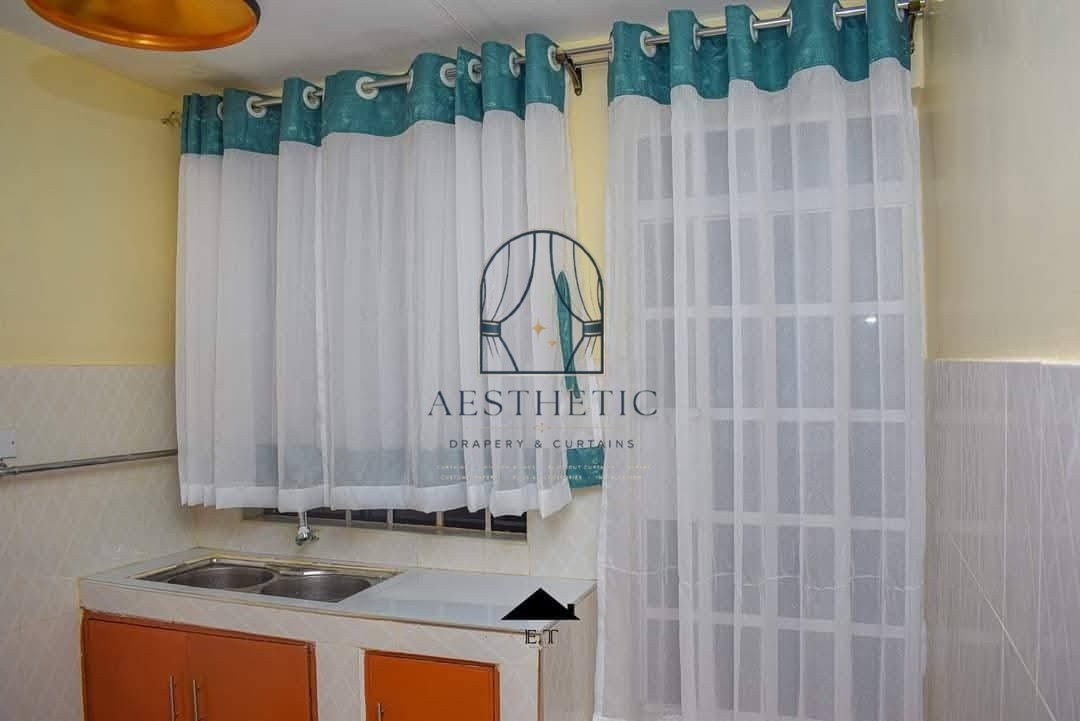
Eyelet curtains are among the popular choices for modern homes because of their clean appearance and straightforward installation.
They feature reinforced circular openings, usually fitted with metal rings, along the upper edge of the curtain. The curtain rod passes directly through these rings, creating broad, evenly spaced folds.
Why Choose Eyelet Curtains?
Eyelet headings offer a neat appearance without complicated gathering. Their folds form naturally as the fabric hangs from the rod.
Some of their advantages include:
- Simple installation on a compatible curtain pole.
- Broad, attractive folds.
- Convenient opening and closing.
- A contemporary appearance.
- Suitable for plain, textured and patterned fabrics.
Where Do Eyelet Curtains Work Best?
Eyelet curtains can work particularly well in:
- Modern living rooms.
- Bedrooms.
- Rental apartments.
- Family rooms.
- Selected home office spaces.
They are especially suitable where the curtain rod is intended to remain visible as part of the interior design.
What Should You Consider?
Eyelet curtains generally require a curtain pole rather than an ordinary curtain track. The pole diameter must be compatible with the eyelets, and the curtain needs sufficient space to stack neatly when opened.
For windows with centre-supported poles, consider how the support brackets may affect the movement of the curtains.
3. Pinch Pleat Curtains: A Structured and Elegant Appearance
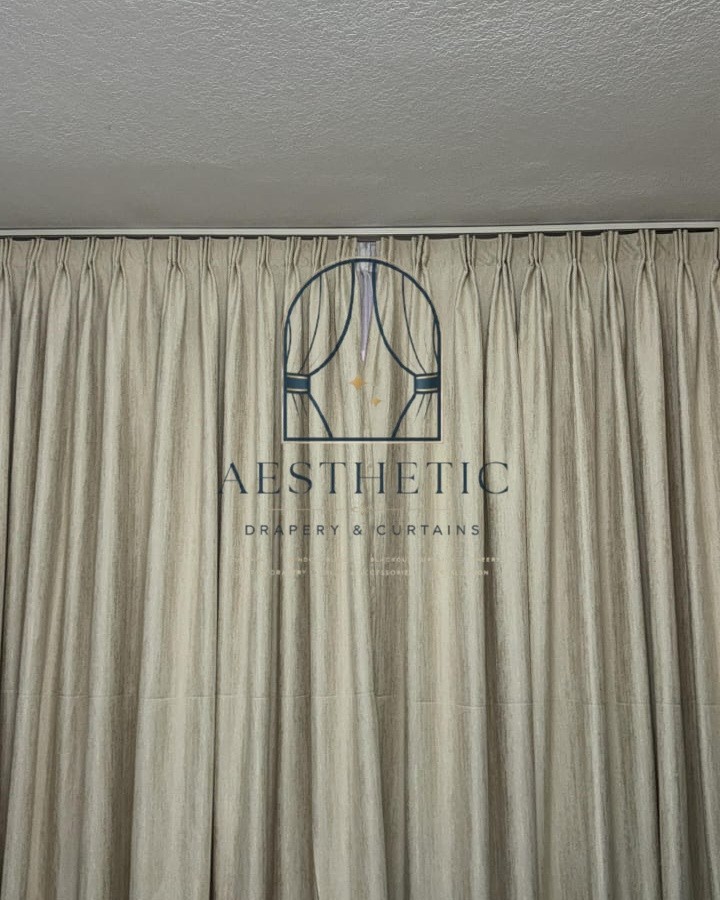
Pinch pleat curtains are recognised by their neatly formed groups of pleats along the upper edge.
The fabric is gathered and stitched into defined sections, creating a more tailored appearance. Unlike adjustable gathered headings, the pleats are sewn into position and retain their intended shape.
Common variations include double pinch pleats and triple pinch pleats.
Why Choose Pinch Pleat Curtains?
Pinch pleats create a structured finish that can make a room feel more refined.
Their advantages include:
- A tailored and organised appearance.
- Consistent folds along the curtain.
- Suitability for formal and contemporary interiors.
- Compatibility with suitable curtain tracks and poles using hooks.
- An elegant finish for lined and heavier curtain fabrics.
Where Do Pinch Pleat Curtains Work Best?
Consider pinch pleat curtains for:
- Formal living rooms.
- Master bedrooms.
- Dining rooms.
- Executive offices.
- Hotels and hospitality interiors.
They are particularly useful where the window treatment needs to complement elegant furniture, decorative accessories and coordinated interior finishes.
Double Pleat vs Triple Pleat
Double pinch pleats usually create a relatively simple structured finish, while triple pinch pleats create more pronounced groups of folds.
The choice depends on the desired fullness, fabric, window width and overall appearance.
Because the pleats are permanently stitched, accurate measurements are important before the curtains are made.
4. Pencil Pleat Curtains: A Versatile and Classic Choice
Pencil pleat curtains feature a gathered heading that forms a series of narrow, closely spaced folds resembling pencils.
A special gathering tape is sewn along the top of the curtain. Cords within the tape are pulled to create the desired fullness and gather the fabric evenly.
This makes pencil pleat one of the flexible heading options for different window treatments.
Why Choose Pencil Pleat Curtains?
Pencil pleat curtains are popular because they can accommodate different interior styles and hardware arrangements.
Their advantages include:
- Adjustable gathering.
- A traditional yet adaptable appearance.
- Compatibility with suitable curtain tracks and poles using hooks.
- Suitability for many fabric types.
- Flexibility when dressing different window sizes.
Where Do Pencil Pleat Curtains Work Best?
They can be considered for:
- Bedrooms.
- Living rooms.
- Guest rooms.
- Bay windows with compatible tracks.
- Traditional and transitional interiors.
Pencil pleats are also useful when working with existing curtain hardware, provided the track or pole is compatible with the curtain hooks.
What Should You Consider?
The final appearance depends on the amount of fabric used and how evenly the heading is gathered.
Insufficient fullness may make the curtains look flat, while excessive gathering can create unnecessary bulk.
Correct measurements and appropriate fabric quantities help achieve a balanced finish.
5. Wave Curtains: A Clean and Modern Window Treatment
Wave curtains, sometimes called S-fold curtains, create a continuous series of smooth, flowing folds.
Unlike traditional pleated headings, the wave effect is produced through a specialised track and glider arrangement. The carriers maintain consistent spacing, allowing the curtain fabric to form repeated curves.
This creates a streamlined appearance that works particularly well in contemporary interiors.
Why Choose Wave Curtains?
Wave curtains are valued for their neat and consistent appearance.
Their advantages include:
- Smooth, evenly spaced folds.
- A minimalist and contemporary finish.
- An elegant appearance across wide windows.
- Compatibility with selected ceiling-mounted and wall-mounted track arrangements.
- Suitability for modern residential and commercial spaces.
Where Do Wave Curtains Work Best?
Wave curtains can be particularly attractive in:
- Modern living rooms.
- Large bedroom windows.
- Apartments with floor-to-ceiling windows.
- Offices and reception areas.
- Hotels and contemporary hospitality spaces.
They are also worth considering for large glass openings where a continuous, flowing appearance is desired.
What Should You Consider?
Wave curtains require compatible tracks, gliders and heading tape. Ordinary curtain tracks may not create the same consistent wave effect.
The track spacing, fabric fullness and available space on either side of the window must be planned before installation.
For homeowners considering motorised curtains, a compatible wave track system may also be an option, subject to the selected hardware and motor specifications.
6. Eyelet vs Pinch Pleat vs Pencil Pleat vs Wave Curtains
Although all four headings serve the same basic purpose, they produce different appearances and require different installation arrangements.
| Heading style | Appearance | Typical hardware | Suitable interior style |
|---|---|---|---|
| Eyelet | Broad, regular folds | Curtain pole | Modern and casual |
| Pinch pleat | Structured, tailored folds | Track or pole with hooks | Elegant and formal |
| Pencil pleat | Narrow gathered folds | Track or pole with hooks | Classic and versatile |
| Wave | Smooth, continuous curves | Compatible wave track | Minimalist and contemporary |
Which Curtain Heading Is Best?
There is no single heading that is ideal for every window.
- Choose eyelet curtains if you prefer simple folds and a visible decorative curtain pole.
- Choose pinch pleat curtains if you want a structured, tailored appearance.
- Choose pencil pleat curtains if you prefer adjustable gathering and a versatile traditional finish.
- Choose wave curtains if you want smooth, evenly spaced folds for a modern interior.
The best option is the one that works with your window dimensions, fabric choice, hardware and preferred room design.
7. How to Choose the Right Curtain Heading for Your Room
Before settling on a particular heading, consider how the room is used and the appearance you want to achieve.
Consider the Interior Design
Your curtain heading should complement the existing furniture, wall finishes, lighting and decorative accessories.
For example, pinch pleats can complement formal furniture, while wave curtains can work well with clean-lined contemporary interiors.
Consider the Window Size
Large windows may benefit from wave or pinch pleat curtains, depending on the available space and desired fullness.
Smaller windows can also look attractive with eyelet or pencil pleat designs when the proportions are selected carefully.
Consider the Fabric
Different fabrics behave differently when gathered or folded.
Lightweight sheers can create soft, flowing folds, while heavier blackout and decorative fabrics may require appropriate heading construction and stronger supporting hardware.
Always consider the fabric weight and how it will hang before selecting the heading.
Consider Your Curtain Track or Rod
Not every heading works with every type of curtain hardware.
Eyelet curtains require a compatible pole, pencil and pinch pleats use suitable hooks and supporting hardware, while wave curtains need a compatible wave system.
Confirming the hardware before production helps avoid unnecessary adjustments.
Consider Daily Convenience
Think about how frequently you open and close your curtains.
For frequently used windows and doors, smooth movement and suitable track arrangements are important. For large windows, consider whether a compatible motorised curtain system would make operation more convenient.
8. Why Professional Curtain Measurement and Installation Matter
Even a beautiful curtain fabric can produce a disappointing result if the heading, measurements or installation are incorrect.
Professional planning helps ensure that the finished curtains fit the window and hang as intended.
Important considerations include:
- Accurate window and track measurements.
- Correct fabric fullness.
- Suitable curtain heading selection.
- Appropriate rods, tracks and accessories.
- Proper curtain length and floor clearance.
- Correct installation height and alignment.
For made-to-measure curtains, these details should be confirmed before the fabric is cut and the heading is constructed.
This is particularly important for wide windows, sliding doors, bay windows and layered curtain arrangements.
9. Find the Right Curtain Heading at Aesthetics Drapery and Curtains
Choosing curtains involves more than selecting an attractive colour. The heading, fabric, fullness, hardware and installation all contribute to the final appearance.
At Aesthetics Drapery and Curtains, we provide curtain and window treatment solutions for residential and commercial spaces in Kenya, with services extending across East Africa.
Whether you prefer eyelet curtains, elegant pinch pleats, versatile pencil pleats or contemporary wave designs, we can help you explore suitable options for your interior.
Our services include:
- Custom curtain designs.
- Sheer and blackout curtains.
- Curtain rods, tracks and accessories.
- Window blinds.
- Motorised curtain and blind solutions.
- Curtain measurement and installation.
Visit our showroom at New Garissa Lodge, Shop G44, Eastleigh, Nairobi, Kenya, to explore curtain and interior styling options.
Call: +254 720 251 109 or +254 720 977 717
WhatsApp: +254 720 251 109
Aesthetics Drapery and Curtains – Designed for Space. Made to Inspire.
Popular curtain heading styles include eyelet, pinch pleat, pencil pleat and wave headings. Each creates a different appearance and requires compatible curtain hardware.
Eyelet curtains provide broad, simple folds and work with compatible curtain poles. Pinch pleat curtains offer a more structured and tailored finish and can work with suitable tracks or poles using hooks. The right choice depends on your interior style and installation requirements.
Yes. Pencil pleat curtains can complement both traditional and modern interiors. Their adjustable gathering makes them versatile for different window sizes and compatible curtain hardware.
Yes. Wave curtains generally require a compatible track and glider system designed to maintain evenly spaced folds. An ordinary curtain track may not produce the same wave effect.
The best heading depends on your living room design. Wave curtains suit contemporary spaces, pinch pleats create a more formal appearance, eyelets offer a simple modern finish, and pencil pleats provide a versatile classic option. Consider the fabric, window dimensions and supporting hardware before deciding.
@aesthetic_curtains26
Instagram Profile
Aesthetic Drapery and Curtains
Facebook Page
Visit Our Showroom
Aesthetics Drapery and Curtains
New Garissa Lodge, Shop G44
Eastleigh, Nairobi, Kenya
Call: +254 720 251 109 | +254 720 977 717
WhatsApp: +254 720 251 109